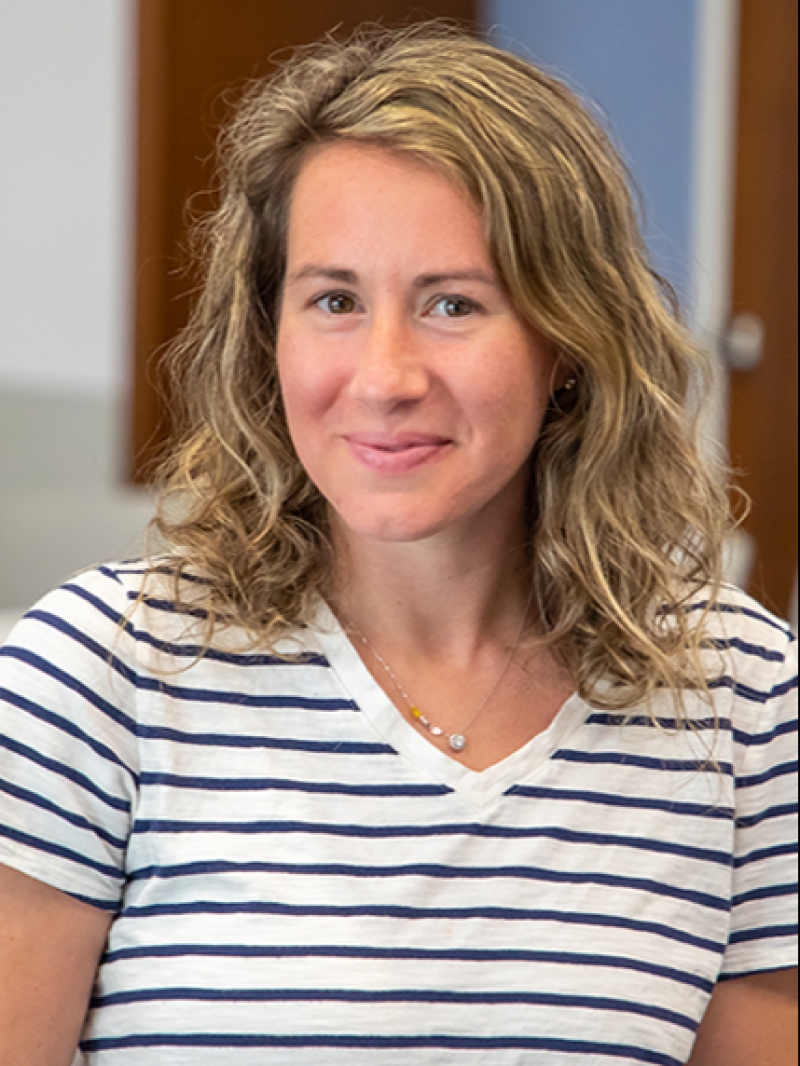
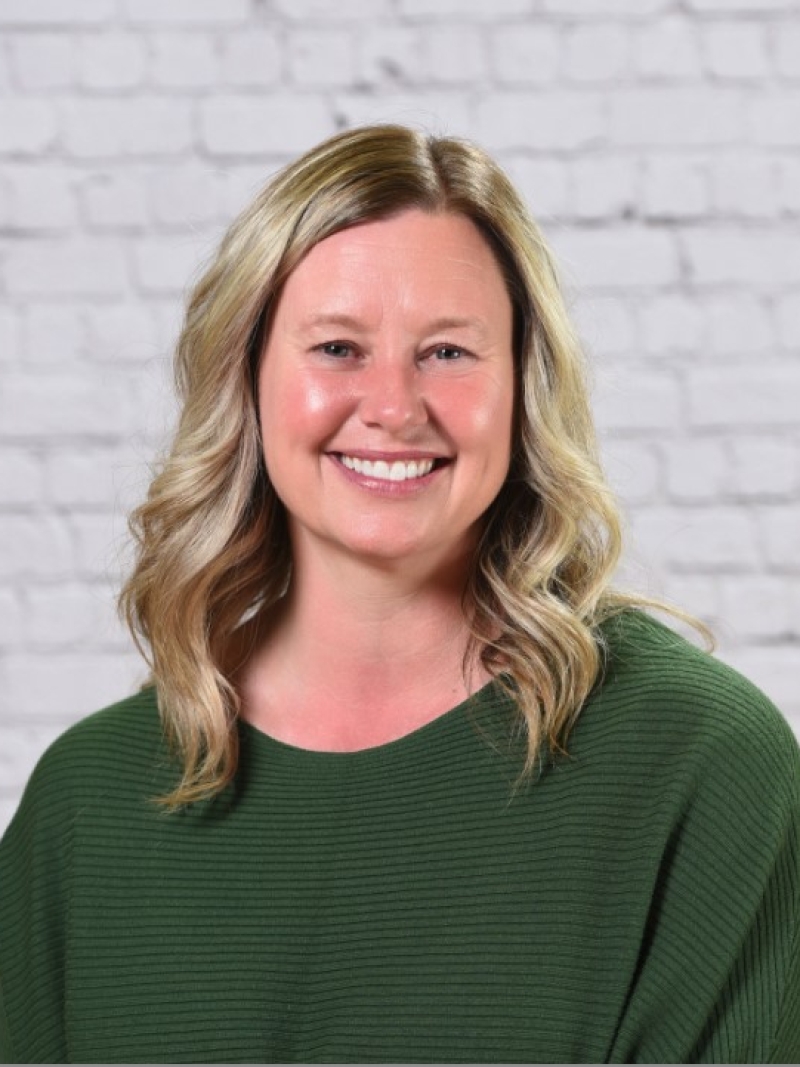
Farrah Feygis with Teacher’s College Reading Writing Project
This workshop will focus on teaching writing using a workshop approach. You will learn the philosophy behind writing workshop and how that philosophy impacts the structures and routines of a workshop classroom. You will think through the writing process and the different ways the writing process supports students with qualities of good writing. The workshop will focus on informational writing and how that grows across grade levels. You will explore formal and informal ways to assess student writing and use your learning to plan for future instruction. Across the workshop, Farrah will share the project’s newest thinking about writing in small groups as well as engaging ways to bring grammar instruction to life.
Working With the Tools of Structured Word Inquiry: PART 1 with Peter Bowers
Structured Word Inquiry (SWI) (Bowers & Kirby, 2010) is instruction which targets morphology to help students recognize spelling-meaning connections across related words and to make sense of spelling-pronunciation correspondences that otherwise seem “irregular” and cause literacy challenges, especially for struggling students. This practical full-day session will help teachers learn how to collect and analyze words related by structure and meaning with SWI tools like the matrix and word sum. For example, studying the morphological family of the base < sign > can bring us to
related words including: signal, signature, design, designate, assignment etc. Here we see the common spelling < sign > despite varied pronunciations of that base in these related words. We will also learn how to draw on etymological references to understand the meaning connections of words like these that all go back to a sense of “mark, token.” Bowers will walk participants through lessons from classrooms and model how we can use this instruction to target key concepts and terms in any subject area.
Working With the Tools of Structured Word Inquiry: PART 2 with Peter Bowers
This session builds on Part 1, but participants can attend this session without Part 1. In this course, Bowers models teaching lessons from his teacher resource book “Teaching How the Written Word Works” that is included for those attending Part 1 or 2. These are the lessons from the vocabulary intervention (Bowers & Kirby, 2010) that introduced the term “structured word inquiry” and showed generative vocabulary learning for the SWI condition. Students didn’t only improve for vocabulary of words addressed by the intervention, but also for words that were not explicitly taught, but
which were related to bases that were taught. Participants will take the role of students working through the first series of lessons that introduce the matrix, word sums, the relationship between spelling-meaning-pronunciation and suffixing conventions. Bowers will also model how to draw on these lessons to teach concepts and terms in any subject area. People who join this session will gain more if they also take the first session, but those who only take this session will gain a lot as well.
Darren Victory with Jennifer Serravello
Drawing from The Writing Strategies Book and Teaching Writing in Small Groups, this summer learning experience will help you use strategies effectively in your instruction—no matter what approach to literacy you use, or the grade level, developmental levels, or ages of the students you teach. Research has proven that strategy instruction is effective when used to teach a whole class or when used to differentiate instruction for individual students. This particular learning experience will emphasize the use of strategy instruction when differentiating learning for your students.
Empowering Writers with Carla Thio
WHAT YOU WILL LEARN: Instructional tools to support deeper text comprehension through understanding the author’s craft and strategies to develop creative narrative writing. Through this session, you will gain confidence in your writing instruction and be inspired by the practical nature of Empowering Writers methodology and resources.
Write On: Hands On Activities to Get Your Students Going with Miranda Krogstad
While many students have the ability to create Pulitzer-worthy pieces, getting pen to paper can be somewhat of a challenge. Especially in youth, where inhibitions and insecurities are at an all-time high, putting ourselves out there creatively can be daunting. Using a series of prompts and games, however, this workshop will take some of the pressure off of the blank page. Giving students an “in” regardless of their abilities and interest, we will try some hands-on activities that will get the ink flowing from even your most reluctant writers!